AI+ Security Practitioner™

This certification validates foundational knowledge of AI-driven cybersecurity concepts and assesses understanding of security principles, threats, and controls. The exam evaluates competency in applying core cybersecurity knowledge within AI-enabled environments.

Enroll Now
AI+ Security Practitioner™
Self-Paced: $195

At a Glance: Course + Exam Overview

Category AI Security, All Courses, Available Now
Program Name AI+ Security Practitioner™
Duration Instructor-Led:5 days (live or virtual) | Self-Paced:40 hours of content
Prerequisites Basic understanding of AI and cybersecurity concepts, including security principles and terminology. Knowledge of security operations such as threat detection, risk management, vulnerability assessment, and incident response. Familiarity with networking, systems, cloud environments, and security controls. Understanding data protection, privacy, compliance, and secure data handling practices. Basic programming and automation awareness for security workflows. Awareness of responsible AI, security governance, and AI-powered security tools.
Exam Format 50 questions, 70% passing, 90 minutes, online proctored exam

Certification Modules

Module 1: Computing, Linux, and Operating System Foundations

  • You will learn about computer systems, operating systems, Linux administration, file systems, commands, user management, permissions, authentication, and access control concepts.

Module 2: Networking Fundamentals and Traffic Analysis

  • You will learn networking concepts, IP addressing, protocols, TCP/IP communication, DNS, network security, traffic analysis, firewalls, IDS/IPS, and VPN technologies.

Module 3: Python for Security and Automation

  • You will learn Python programming fundamentals and how to use scripting for security automation, log analysis, data processing, and efficient security workflows.

Module 4: Cybersecurity Foundations and Threat Landscape

  • You will learn cybersecurity principles, risks, vulnerabilities, attack surfaces, security controls, common cyber threats, and industry security frameworks.

Module 5: Cryptography, Authentication, and Identity Security

  • You will learn encryption, hashing, digital signatures, TLS security, authentication methods, identity management, access controls, and identity protection practices.

Module 6: Introduction to Artificial Intelligence and Machine Learning

  • You will learn AI, ML, and Deep Learning fundamentals, learning approaches, ML lifecycle, datasets, model evaluation, and AI applications in cybersecurity.

Module 7: AI Applied to Security Detection and Threat Hunting

  • You will learn AI-based threat detection, behavioral analytics, anomaly detection, threat intelligence, threat hunting, MITRE ATT&CK mapping, and AI-assisted SOC operations.

Module 8: AI Security, LLM Security, and Responsible AI

  • You will learn LLMs, Generative AI, AI copilots, RAG, OWASP LLM security risks, AI vulnerabilities, governance, and responsible AI practices.

Module 9: Offensive Security for AI Systems

  • You will learn AI threat modeling, attack surfaces, adversarial attacks, STRIDE methodology, AI vulnerabilities, red teaming, and security testing approaches.

Module 10: Security Operations, Incident Response, and Malware Analysis

  • You will learn about SOC operations, SIEM concepts, incident response, malware analysis, threat investigation, and AI-assisted security operations.

Module 11: Governance, Compliance, and Ethical AI Security

  • You will learn security governance, risk management, AI governance, compliance, privacy principles, and responsible AI security practices.

Module 12: Capstone Project — AI-Driven Security Operations and Defense

  • You will apply cybersecurity skills through an end-to-end AI security project involving threat analysis, AI risk assessment, incident response, and professional security reporting.

Finish the course and get certified

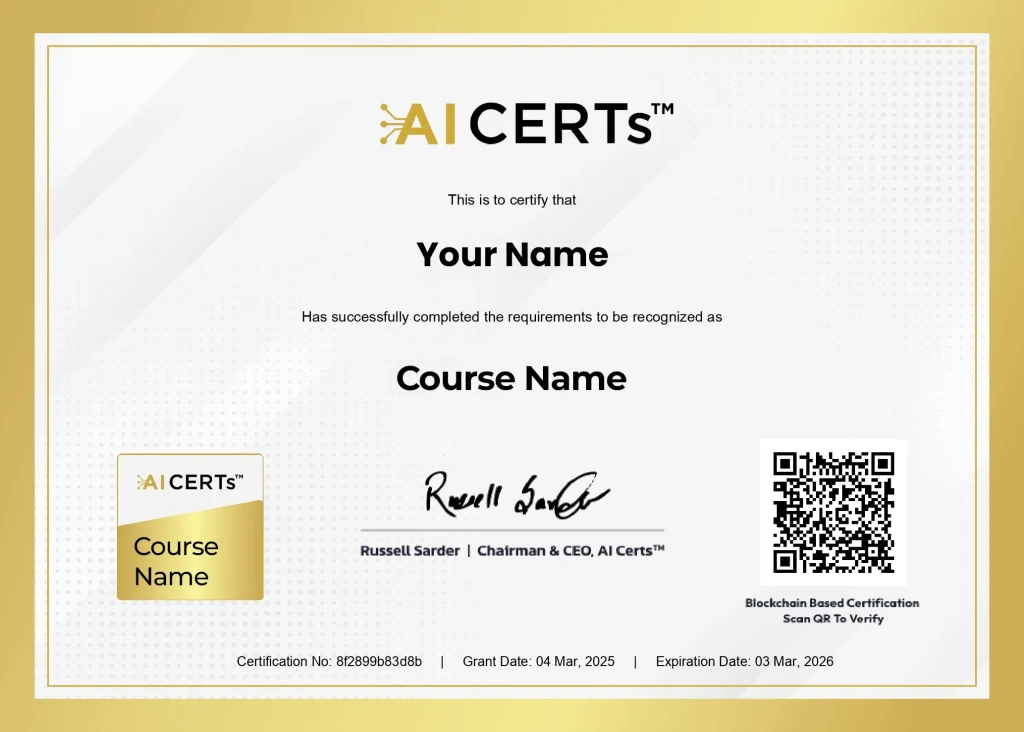
Course Certificate

Industry Opportunities

AI Security Analyst

Protect AI systems by identifying vulnerabilities, monitoring threats, and implementing security controls across AI applications.

Cybersecurity Analyst

Monitor security events, analyze cyber threats, and safeguard enterprise networks and AI-powered environments.

SOC Analyst

Detect, investigate, and respond to security incidents using Security Operations Center (SOC) tools and AI-driven monitoring solutions.

Threat Hunter

Proactively identify advanced cyber threats, uncover hidden attacks, and strengthen organizational security through continuous threat hunting.

Security Engineer

Design, implement, and maintain secure infrastructure, applications, and AI systems to protect against evolving cyber risks.

AI Risk Specialist

Assess AI-related security risks, ensure regulatory compliance, and develop governance frameworks for responsible AI adoption.

Incident Response Analyst

Investigate cybersecurity incidents, contain threats, and coordinate recovery efforts to minimize business impact and improve resilience.

Frequently Asked Questions

Prerequisites

Exam Details

Passing Score

70%

Format

50 multiple-choice/multiple-response questions
Exam Blueprint

Computing, Linux & Operating System Foundations 6%
Networking Fundamentals and Traffic Analysis 9%
Python for Security and Automation 9%
Cybersecurity Foundations and Threat Landscape 9%
Cryptography, Authentication & Identity Security 9%
Introduction to Artificial Intelligence and Machine Learning 9%
AI Applied to Security Detection and Threat Hunting 9%
AI Security, LLM Security and Responsible AI 9%
Offensive Security for AI Systems 8%
Security Operations, Incident Response and Malware Analysis 18%
Governance, Compliance and Ethical AI Security 8%
Capstone Project — AI-Driven Security Operations and Defense 8%
Self-Paced Online

Self-Paced Online: 40 hours of content

Price: $195

Instructor-Led Online

Instructor-Led Online: 5 days (live or virtual)

Core AI Tools Covered